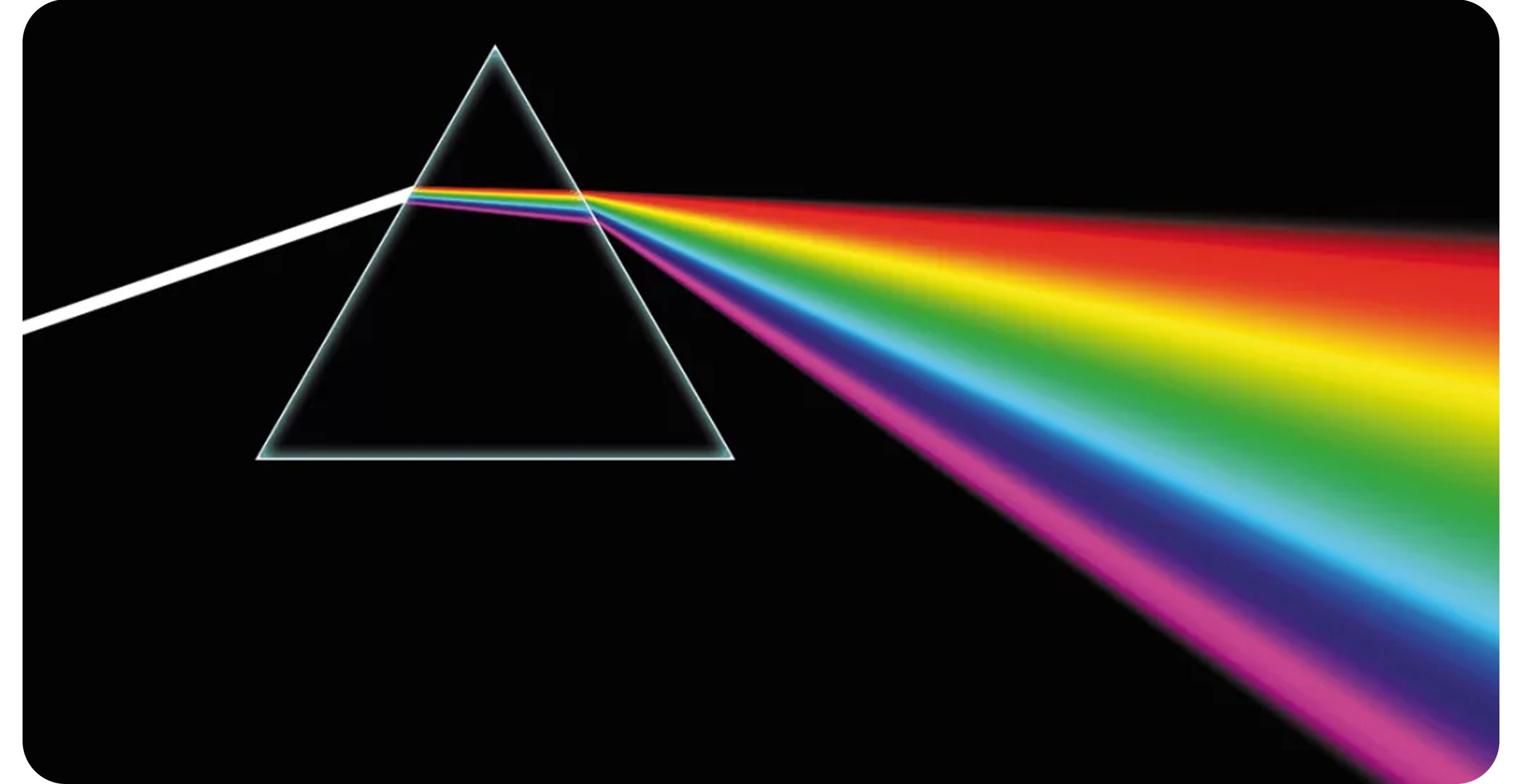
Near Infrared (NIR) analysis is a spectroscopic technique based on the natural electromagnetic spectrum. Specifically, it operates in the wavelength range between 700 and 2500 nanometers (nm) and enables the quantitative analysis of organic materials.
In agriculture, NIR is widely recognized as one of the most effective methods for measuring key parameters such as moisture, protein, starch and fiber in feed, forage and grain. In fact, its reliability is well documented in scientific and technical literature (e.g. Osborne et al.; FAO feed analysis guidelines).
Today, however, NIR is no longer limited to laboratory use. Instead, it has evolved into a real-time, on-field and on-machine technology. As a result, farmers, nutritionists and processors can access immediate data and make decisions based on actual measurements rather than estimates.
As agriculture becomes increasingly data-driven, NIR plays a central role in enabling precision agriculture, feeding optimization and process control.
NIR technology relies on the interaction between light and organic molecules.
When near-infrared light reaches a sample, specific wavelengths are absorbed by molecular bonds, while the remaining light is reflected back to the sensor. The system then captures this reflected signal and converts it into a spectral signature.
This spectral information is subsequently translated into quantitative values through calibration models developed using reference laboratory data.
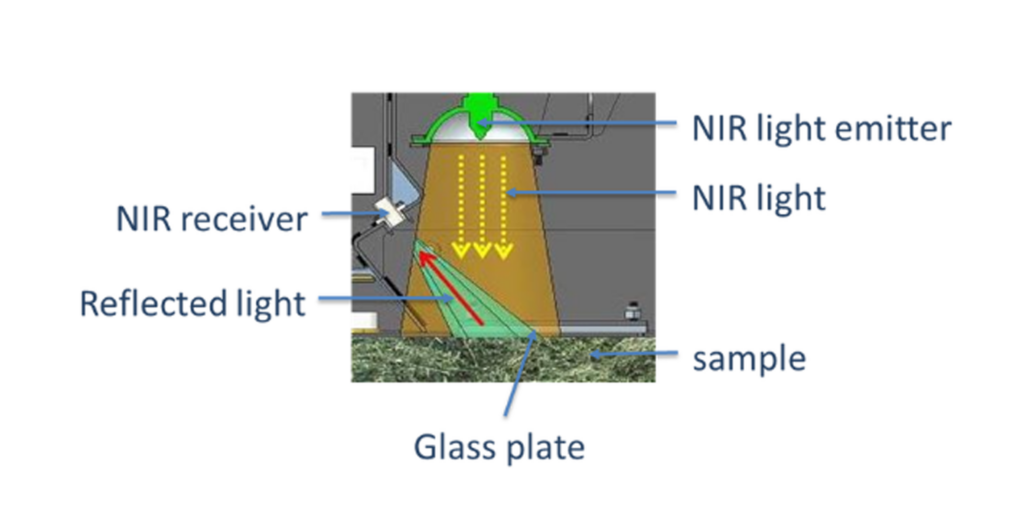
Thanks to these calibrations, NIR systems can measure, within seconds, parameters such as:
However, the reliability of the analysis depends on several key factors, as described in scientific literature (e.g. Shenk & Westerhaus):
Overall, NIR transforms light interaction into actionable agronomic data.
The widespread adoption of NIR technology in agriculture is mainly driven by its operational advantages compared to traditional laboratory methods.
For example, NIR provides:
Therefore, NIR is particularly suitable for real agricultural environments, where speed and simplicity are essential.
From an operational perspective, it enables a clear shift:
Moreover, according to FAO and dairy economics studies, even small improvements in feed management can generate significant economic benefits, since feed represents up to 50–60% of total production costs in dairy farms.
By providing immediate feedback on material composition, NIR helps operators improve decision-making, reduce waste and increase efficiency.
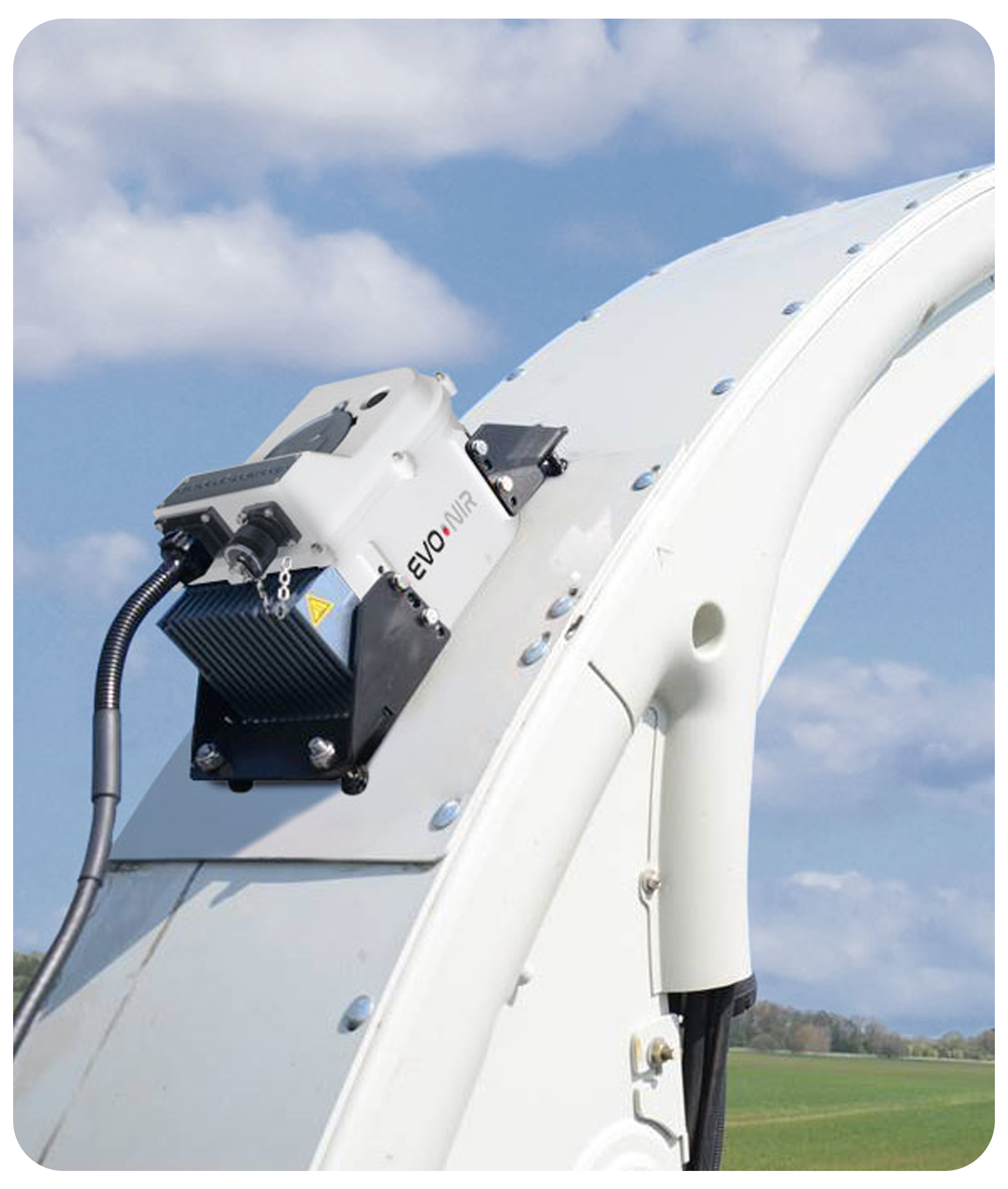
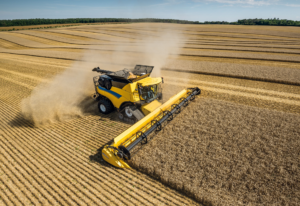
During harvesting, crop composition often varies significantly within the same field. For this reason, NIR sensors installed on harvesting machines – such as forage harvesters, combines and balers – enable continuous measurement of key parameters like moisture, protein and starch.
As a result, operators can identify variability, separate different quality batches and optimize both storage and marketing strategies. Instead of relying on post-harvest laboratory results, they gain immediate visibility of crop quality.
In livestock farming, slurry represents both a valuable resource and a source of variability. If not managed correctly, it can lead to inefficiencies and environmental issues.
For this reason, NIR technology applied to slurry spreading systems enables real-time measurement of parameters such as dry matter, nitrogen (N), ammonium (NH₄), phosphorus (P₂O₅) and potassium (K₂O).
Consequently, operators can apply nutrients more accurately, optimize fertilization strategies and reduce both over- and under-application. At the same time, they improve nutrient use efficiency and support compliance with environmental regulations.
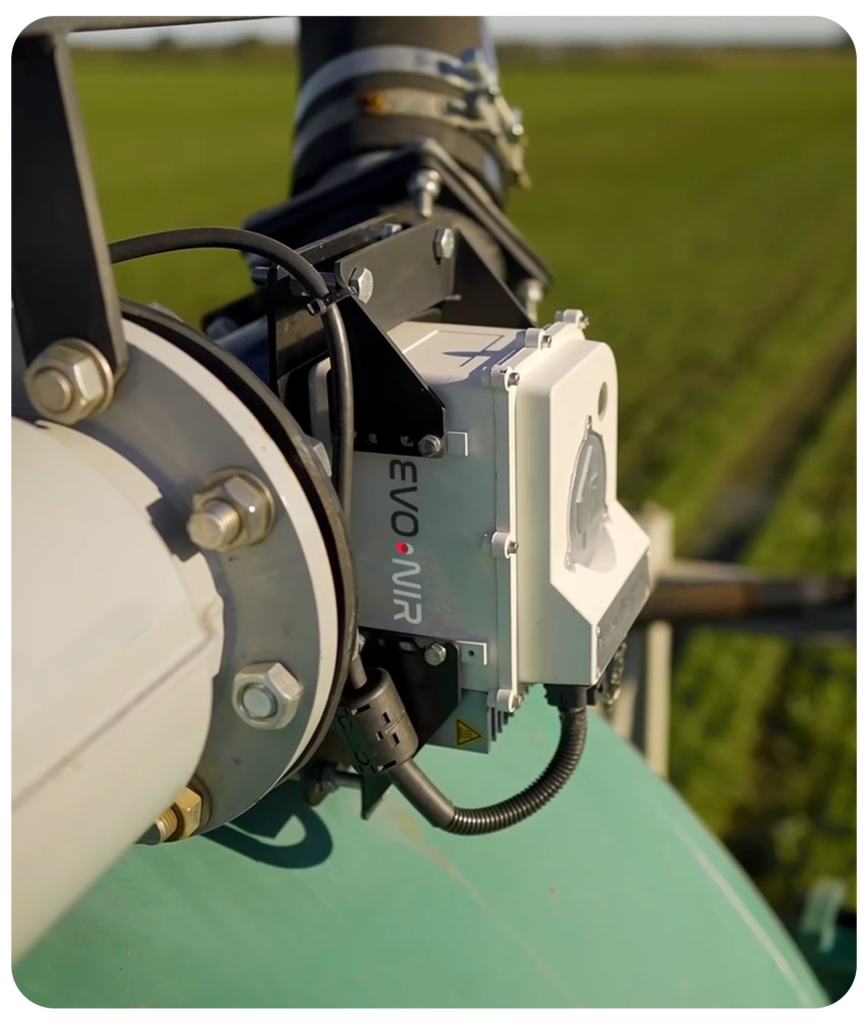
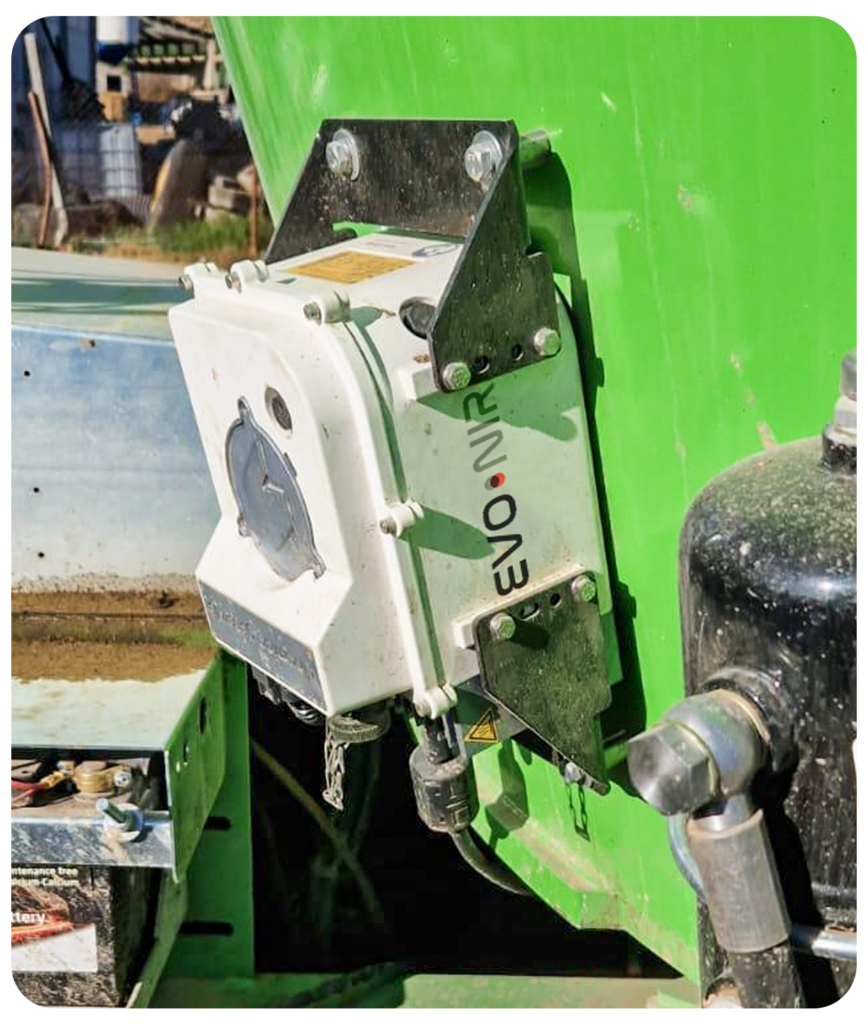
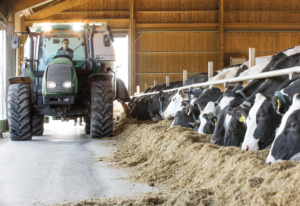
Feed represents the largest cost in dairy production. Therefore, improving feeding efficiency has a direct impact on farm profitability.
NIR technology installed on mixer wagons enables real-time monitoring of dry matter, nutritional composition and TMR homogeneity.
As a result, farmers can deliver more accurate rations, reduce feed waste and improve both feed efficiency and animal performance.
In practice, even small improvements (e.g. €0.05–0.10 per cow per day) can translate into significant annual savings on medium and large farms.
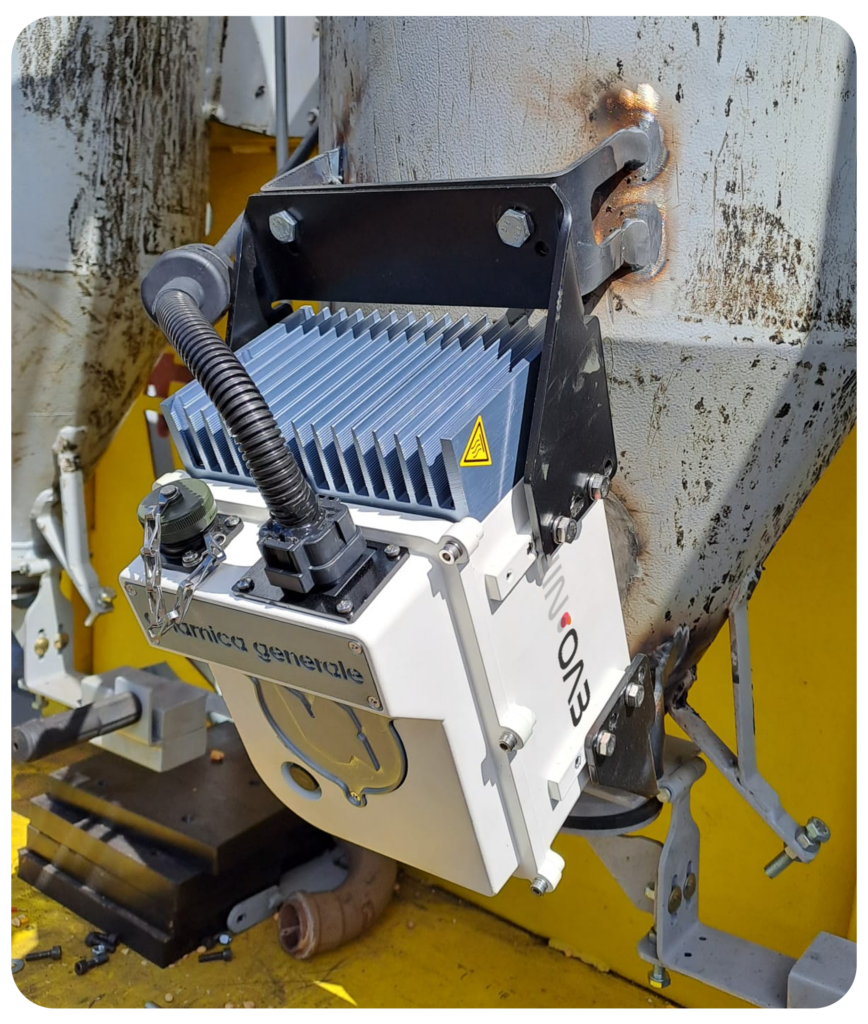
Agricultural raw materials are inherently variable. However, NIR technology enables continuous monitoring directly within production processes.
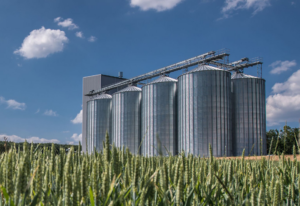
Typical applications include alfalfa dehydration plants, feed production lines, grain processing and dairy processes such as hard cheese production.
In these contexts, operators can monitor key parameters in real time, adjust processes immediately and reduce variability. Consequently, they achieve more consistent product quality and improved process efficiency.
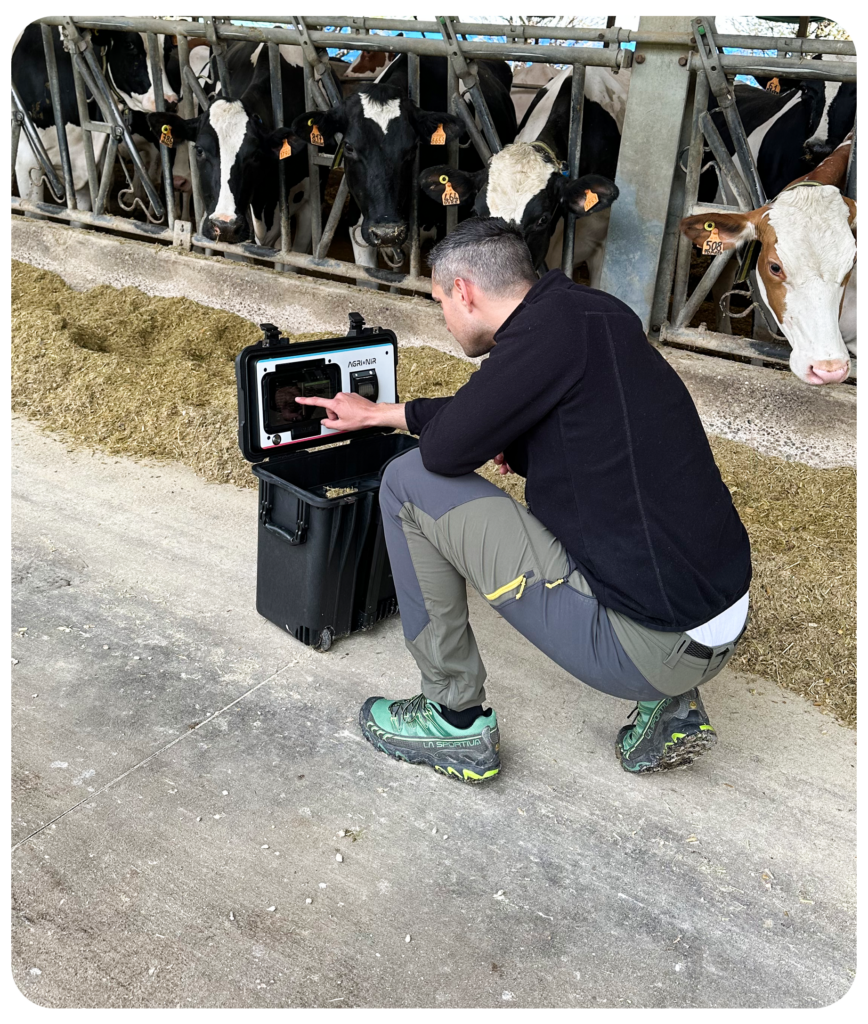
Portable NIR analyzers extend analytical capabilities across the entire value chain.
They are commonly used for raw material verification, feed ingredient analysis and quality checks before storage or processing.
As a result, they increase operational flexibility and reduce dependence on laboratory testing, enabling faster and more informed decisions.
NIR technology has become a key enabler of modern agriculture.
By providing real-time insight into material composition, it allows farmers, nutritionists and processors to improve efficiency, reduce waste, optimize processes and increase product value.
At Dinamica Generale, NIR combines advanced technology with deep application expertise and full system integration into agricultural machinery and digital platforms. The company develops and manufactures hardware, firmware and calibration models entirely in-house, ensuring full control over performance and reliability.
Furthermore, calibration models rely on advanced data processing techniques, including machine learning and AI-based approaches. This allows continuous improvement in accuracy and adaptability across different materials and operating conditions.
Ultimately, this integrated approach transforms raw data into actionable decisions, supporting more efficient and sustainable farming systems. As agriculture continues to evolve, NIR will play an increasingly central role in precision farming and feed management.


 NIR & Imaging
 Data Management
 Mobile Apps
 Load Cells
 Indicators and ISOBUS-ECU
 Accessories
 English
 Italian
 Spanish
 French
 German
 Portuguese (Brazil)
 Dutch
Dutch Polish
 Chinese (Simplified)
 Turkish
