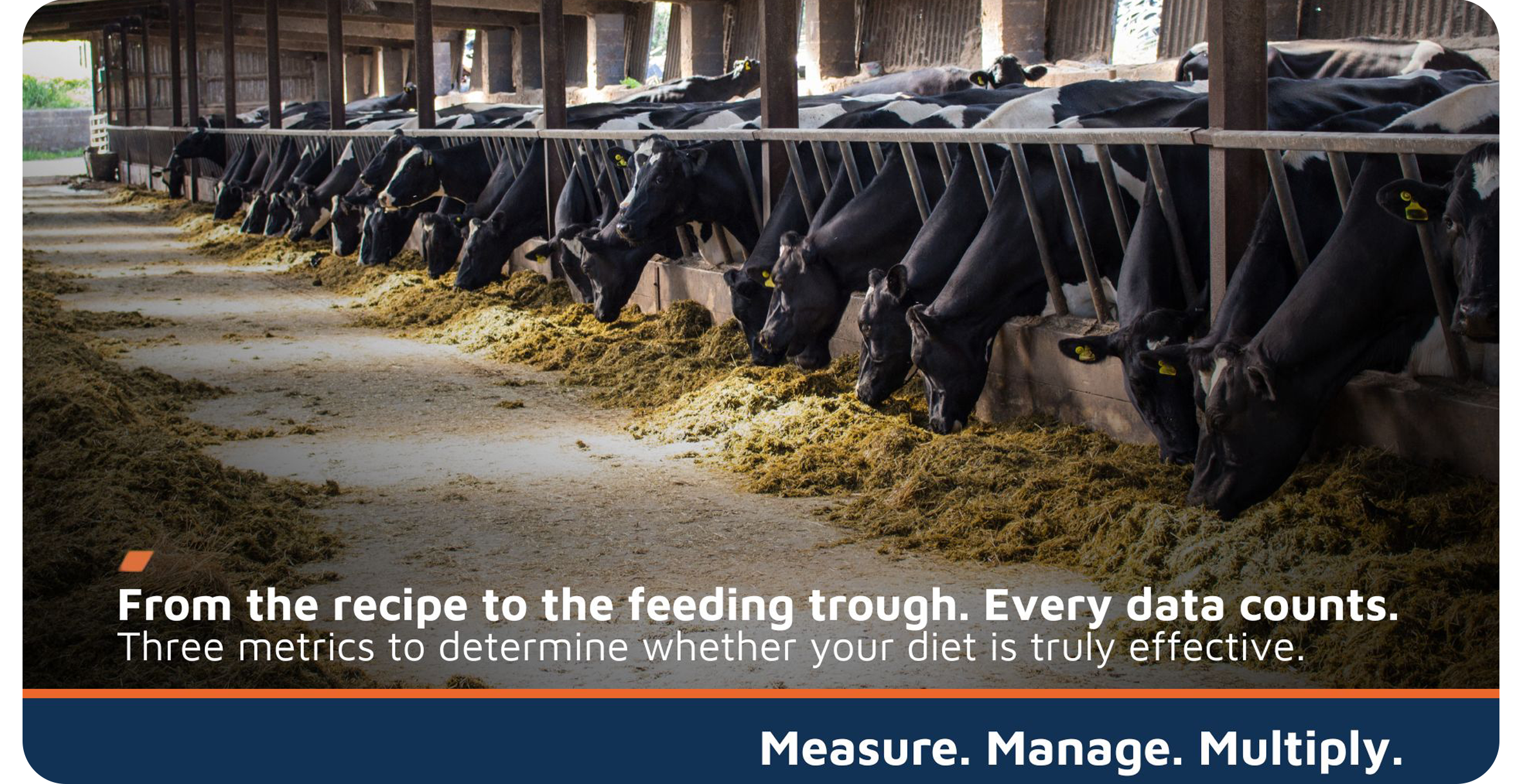
Every day, you spend time and attention to preparing the meal. But that’s just the first step.
The answer depends not only on how the feed is prepared, but also on how it is distributed and consumed. To achieve consistent results, it is essential to verify that the animals actually receive and consume what was planned.
That’s why the DTM provides KPIs that allow you to monitor certain key indicators of the feeding process. Such as:
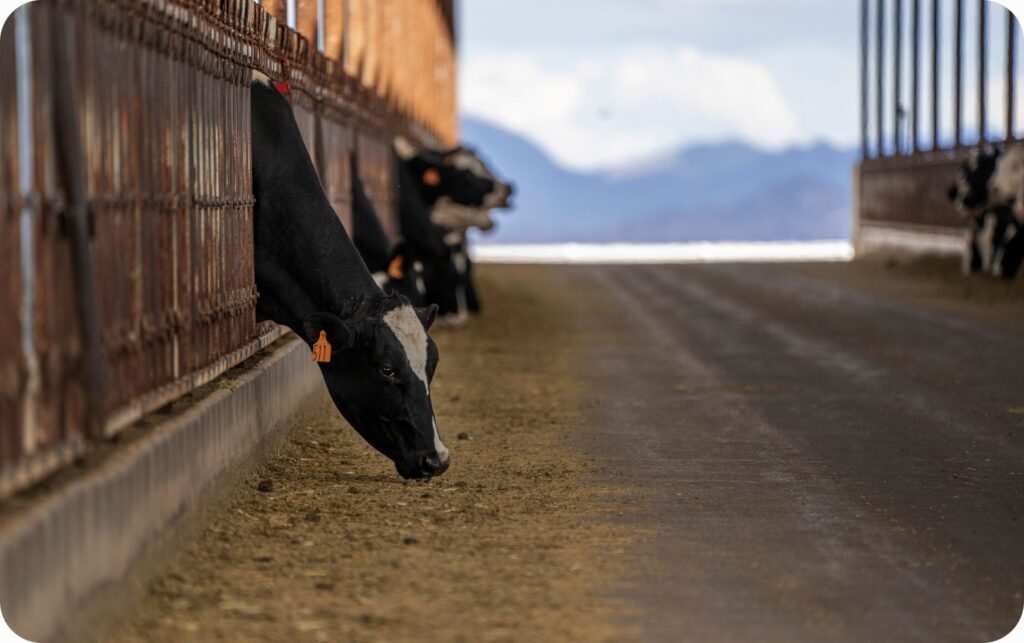
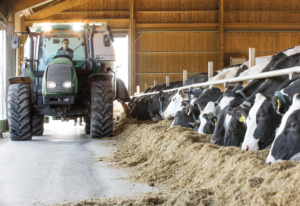
Feed refusals are more than just the feed left in the bunk. They are one of the first indicators that something in the feeding process can be improved. Excessive feed refusals mean that feed has been purchased, prepared and delivered without generating value for the farm.
On the other hand, refusals that are too low may indicate that insufficient feed is being delivered, potentially limiting dry matter intake and affecting herd performance.
By monitoring feed refusals over time, you can better understand your herd’s feeding behaviour and make more informed decisions to optimize your feeding management.
What really matters is how much dry matter the animals actually consume. By combining data on the ration delivered, feed refusals and dry matter content, DTM helps estimate actual dry matter intake more accurately.
The amount of feed delivered tells only part of the story.
Dry matter intake is therefore a valuable indicator for assessing the quality of feeding management and discussing results with your nutritionist based on objective data.
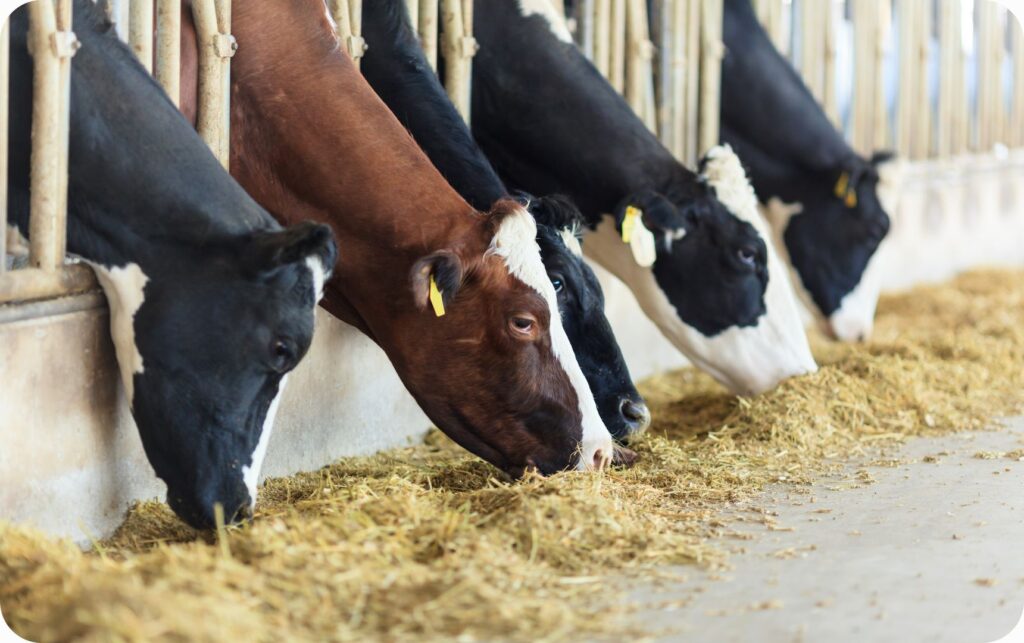
Monitoring these three indicators means turning your daily feeding routine into a measurable process. So you can make better decisions. Every day.
Small daily checks can make a big difference over the course of a year. Contact us or simply reply to this email to request a demonstration or learn more about how to get the most out of your DTM software.
For us, improving the efficiency of your farm is essential.


 NIR & Imaging
 Data Management
 Mobile Apps
 Load Cells
 Indicators and ISOBUS-ECU
 Accessories
 English
 Italian
 Spanish
 French
 German
 Portuguese (Brazil)
 Dutch
Dutch Polish
 Chinese (Simplified)
 Turkish
