The characterization of grain quality at harvest has traditionally relied on discrete sampling followed by laboratory analysis. While this approach provides accurate measurements at the sample level, it inherently fails to capture the spatial variability that characterizes most agricultural fields. As a consequence, the resulting data often represent an average condition rather than the true heterogeneity of the harvested crop.
In this context, near-infrared spectroscopy (NIR) integrated directly on agricultural machinery represents a paradigm shift. By enabling continuous, real-time analysis of the grain flow, on-combine NIR systems provide a much higher data density and a more representative description of field variability.
This study aims to validate the performance of the EVONIR system under real harvesting conditions, comparing in-line measurements with reference laboratory analyses.
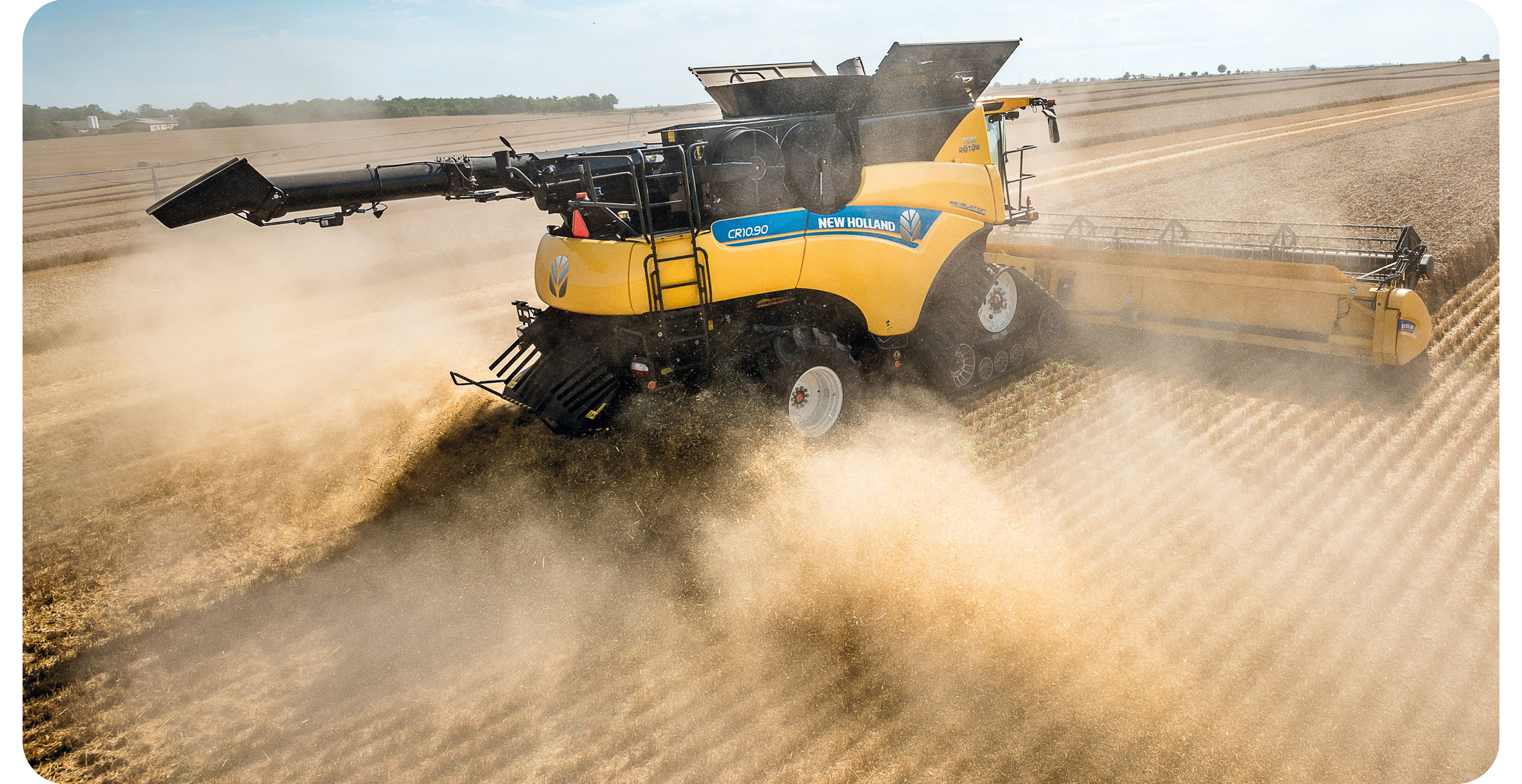
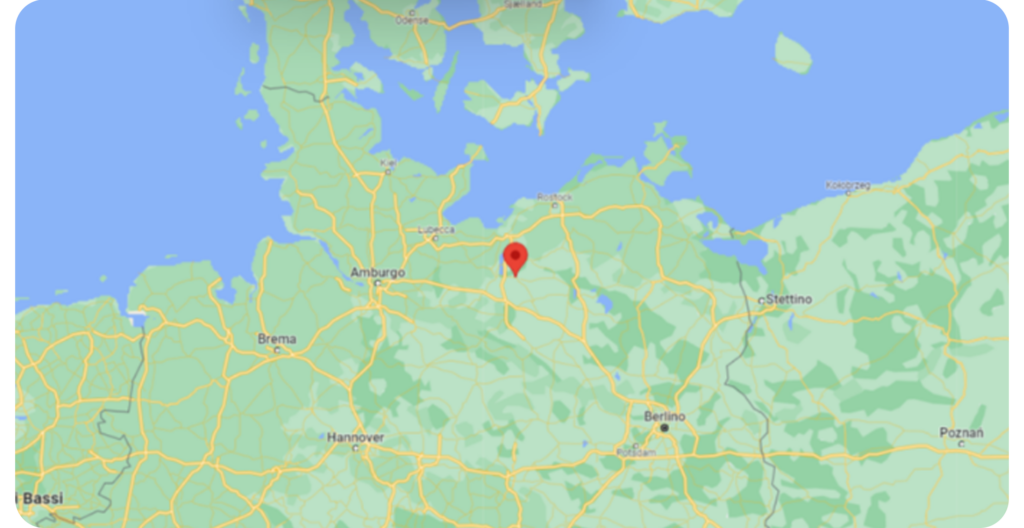
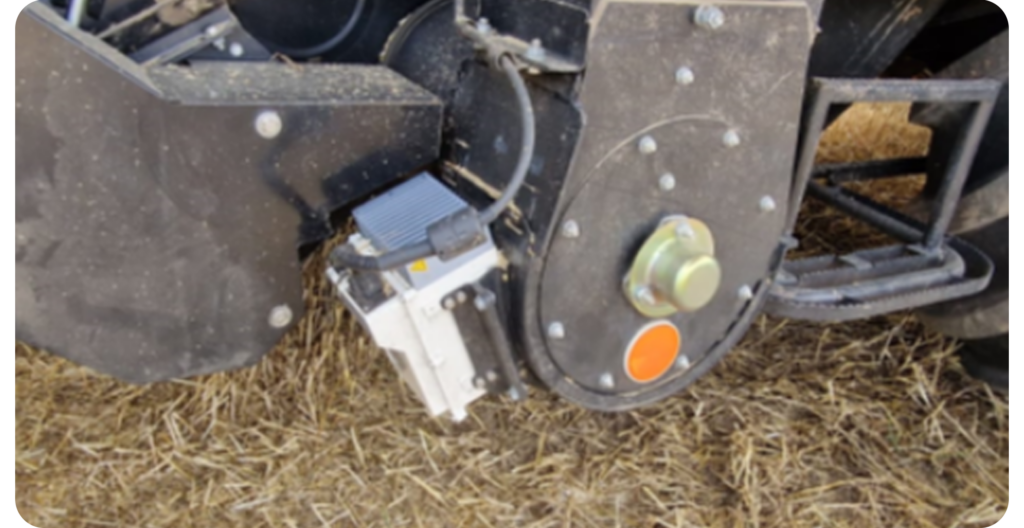
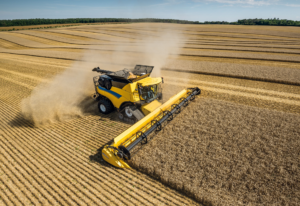
The field test was conducted in July 2022 in northern Germany on a wheat crop harvested using a New Holland CR8.90 combine harvester. The EVONIR sensor was installed on the grain elevator, allowing direct analysis of the entire grain flow during harvesting operations. EVONIR was connected via ISOBUS to the VT of the combine.
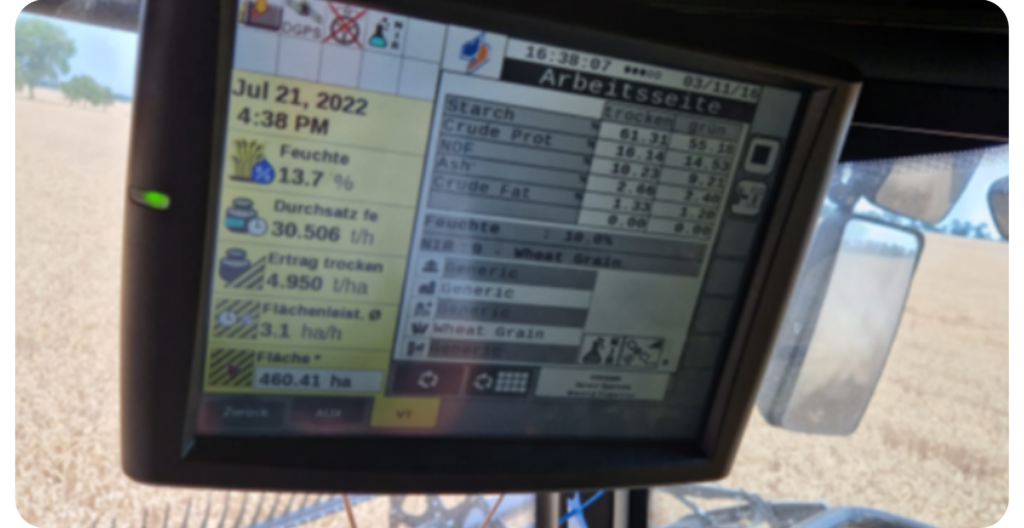
Data acquisition was performed continuously throughout the harvesting process, resulting in a total of 1,190 NIR datapoints. In parallel, 23 grain samples were manually collected at georeferenced positions across the field and analyzed by an accredited laboratory (LUFA), which served as the reference method.
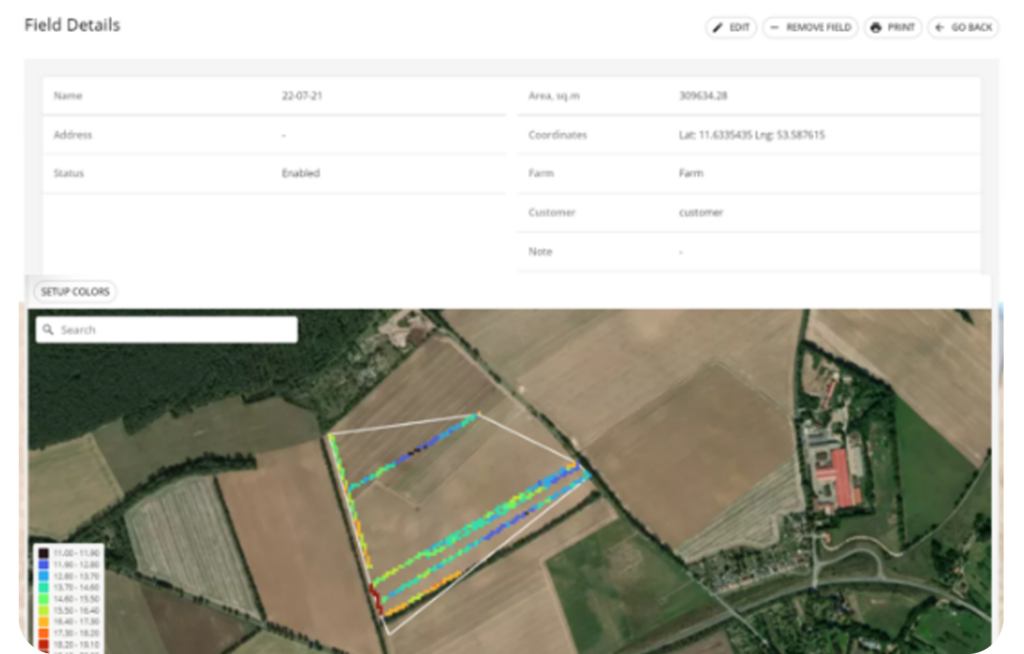
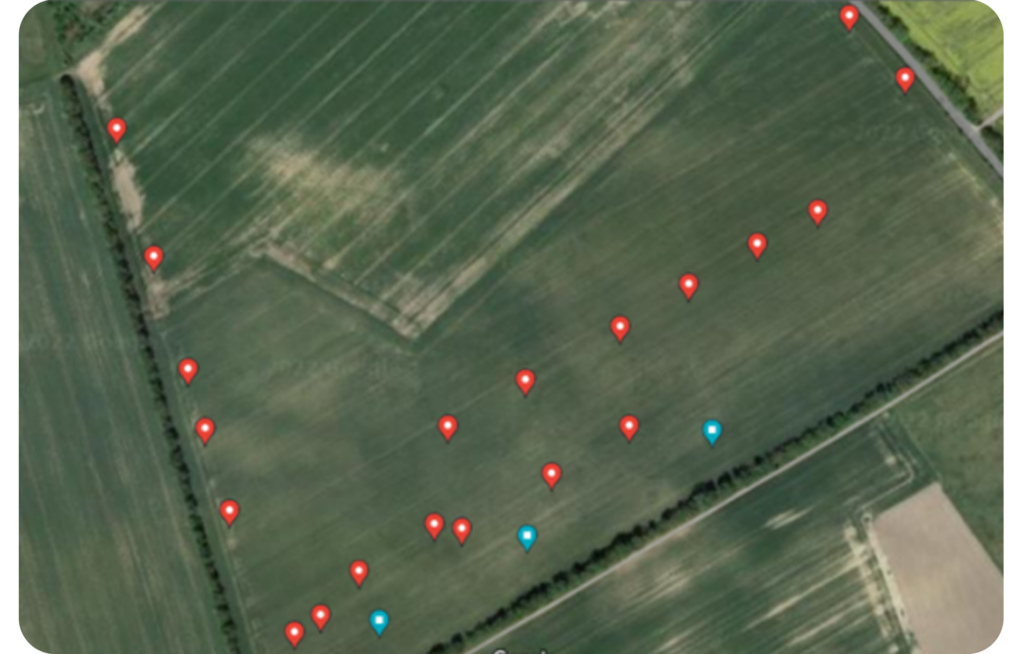
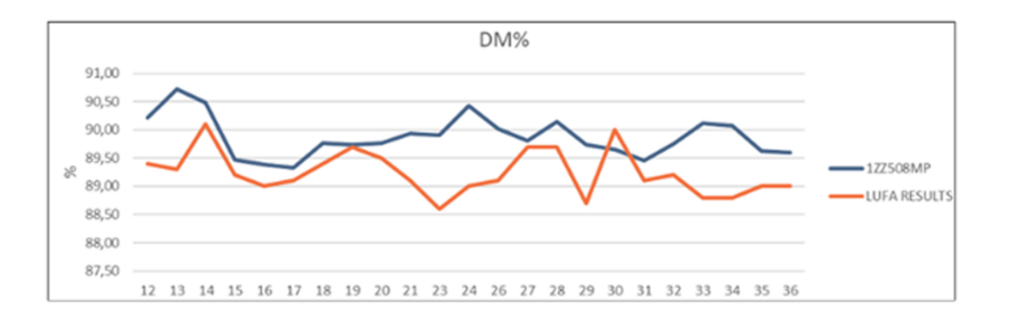
The parameters evaluated in this study included dry matter (DM), crude protein (CP), ash, and crude fat (CF). For each sampling point, NIR measurements were aggregated over the corresponding spatial window and compared to laboratory results in order to quantify the deviation between the two methods.
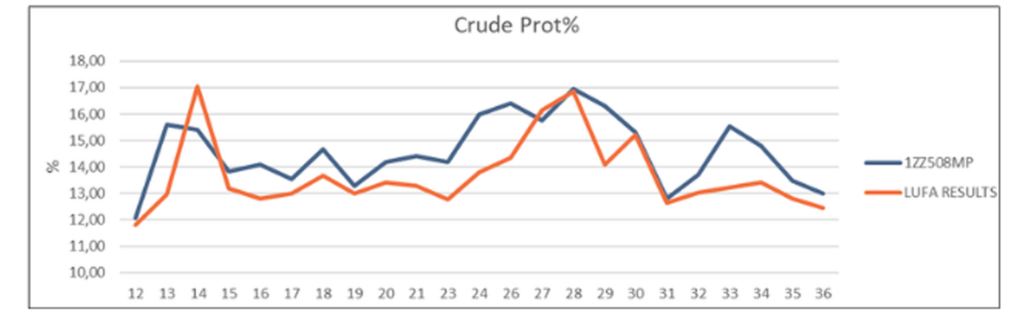
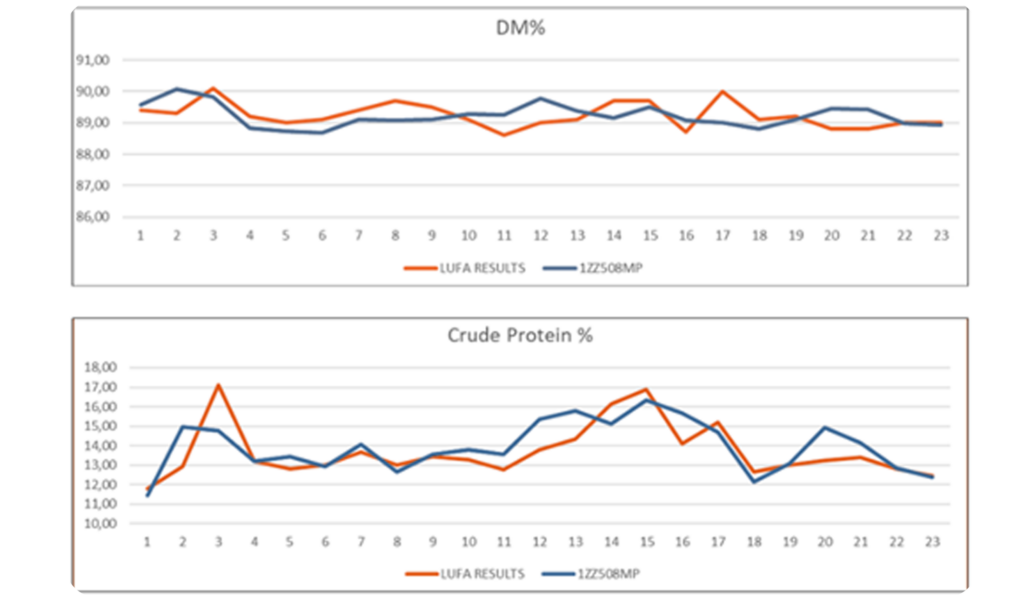
The continuous measurements obtained from the EVONIR system clearly highlight the presence of significant intra-field variability. Parameters such as moisture and protein content exhibited noticeable fluctuations along the harvesting path, confirming that grain quality is not uniformly distributed within the field.
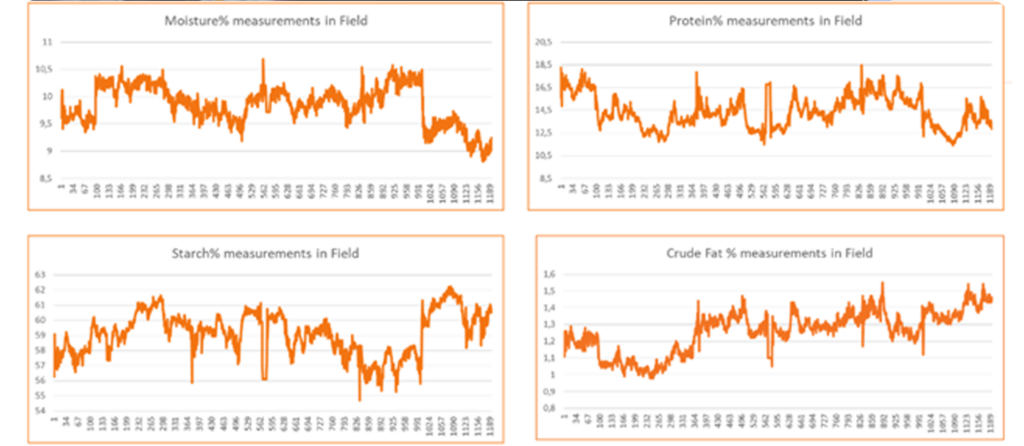
These variations, which occur at a spatial scale much smaller than the typical sampling grid, cannot be adequately captured through conventional sampling approaches. As a result, the dataset produced by the NIR system provides a much richer and more detailed description of the harvested crop.
When comparing NIR measurements with laboratory results using the standard factory calibration, the average deviations were found to be -0.63 for dry matter, -0.88 for crude protein, -0.75 for ash, and +0.79 for crude fat. These values indicate a relatively low bias across all parameters, especially considering that no field-specific calibration had been applied at this stage.
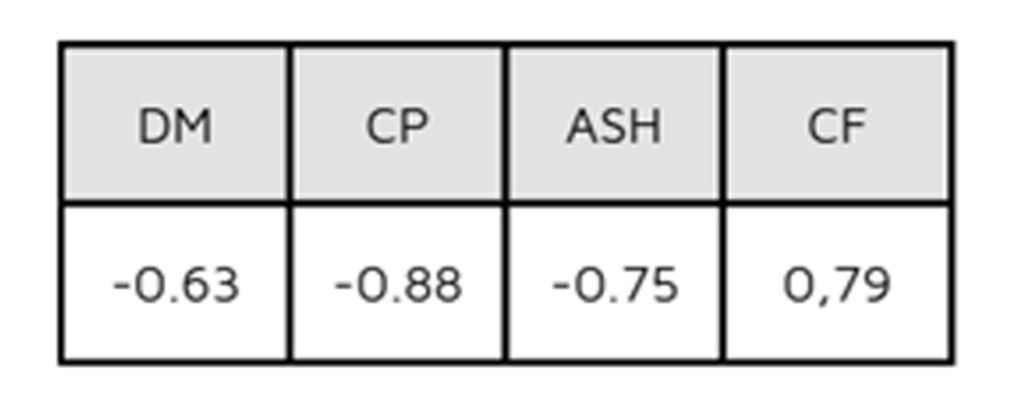
Resume table: Avarage deviation between lab and EVONIR with Dinamica Generale standard calibration, not adjusted comparing results with a LAB.
The results of this study demonstrate that on-combine NIR spectroscopy can achieve a level of accuracy that is fully compatible with operational decision-making, even when using a general calibration model. The observed deviations are consistent with typical expectations for inline spectroscopic measurements and can be further reduced through local calibration adjustments.
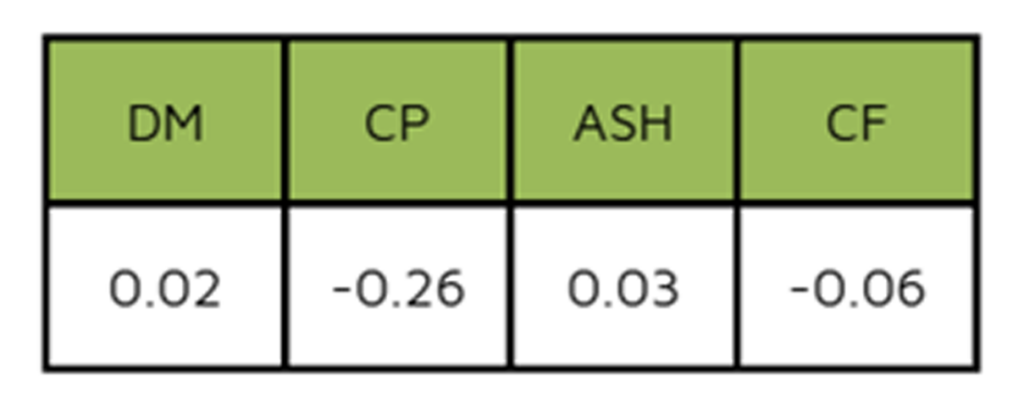
After applying a fine-tuning procedure based on a limited number of laboratory samples, the distance between NIR and laboratory data improved significantly, confirming the effectiveness of combining global calibration models with local refinement.
Resume table: Average deviation between LAB and EVONIR after fine tuning
Beyond accuracy considerations, the most relevant outcome of this study lies in the ability of the NIR system to capture the true variability of the field. While laboratory analysis provides precise but sparse information, the continuous nature of NIR measurements allows for the generation of high-resolution quality maps, which can be directly used for agronomic and logistical decision-making.
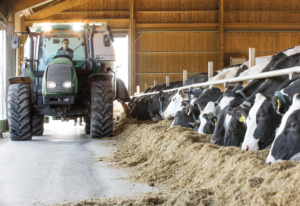
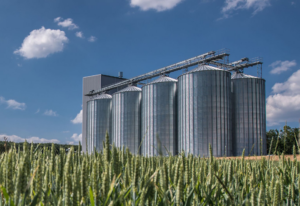
From an agronomic perspective, this enables a more precise understanding of nitrogen distribution and protein variability, supporting variable rate fertilization strategies in subsequent seasons. From a logistical standpoint, real-time quality monitoring allows operators to segregate grain streams based on specific quality thresholds, optimizing storage and maximizing economic value.
This field validation confirms that the EVONIR system is capable of delivering reliable and consistent measurements of grain quality directly during harvesting operations. Even with a standard calibration, the system demonstrates a good level of agreement with laboratory data, which can be further improved through minimal calibration adjustments.
More importantly, the study highlights the fundamental advantage of continuous measurement over discrete sampling. By analyzing the entire grain flow rather than isolated samples, on-combine NIR systems provide a more accurate and comprehensive representation of field conditions.


 NIR & Imaging
 Data Management
 Mobile Apps
 Load Cells
 Indicators and ISOBUS-ECU
 Accessories
 English
 Italian
 Spanish
 French
 German
 Portuguese (Brazil)
 Dutch
Dutch Polish
 Chinese (Simplified)
 Turkish
